
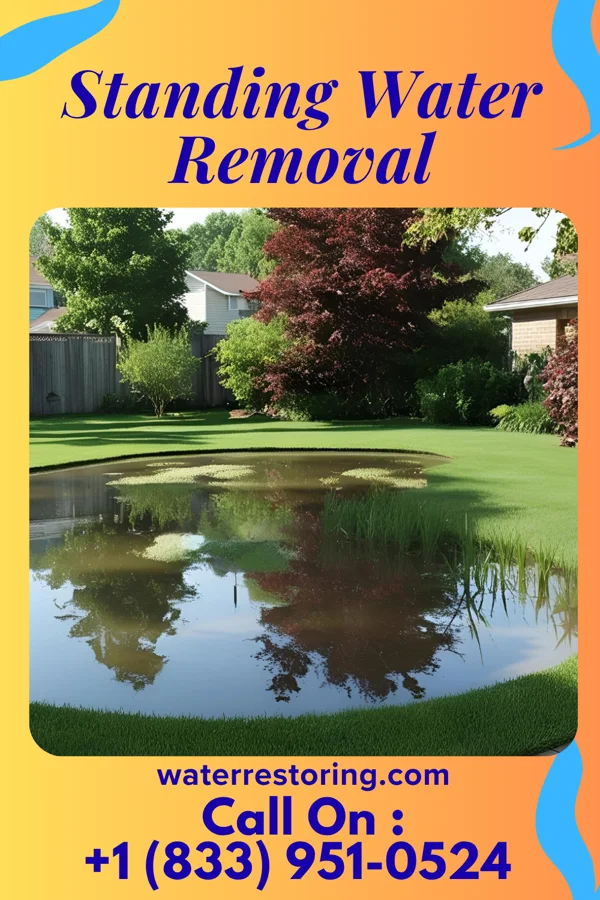
Why Whigham Sees Standing Water Often
The pattern in Whigham is consistent. In Whigham, Georgia, primary water damage often stems from agricultural runoff and seasonal flooding due to the area's low-lying terrain and proximity to the Ocmulgee River. Additionally, heavy rainfall events can lead to water seepage into basements and crawl spaces, especially in older homes with inadequate drainage systems. drives most of the emergency restoration calls we get. A close second is Secondary causes include leaking septic tanks, burst water heaters, and plumbing failures in rural properties. These issues are more common in older homes and can lead to prolonged water exposure if not addressed promptly..
Whigham's humid subtropical climate increases the risk of mold growth after water incidents. The region's frequent thunderstorms and heavy downpours contribute to sudden water intrusion, making rapid response critical for property preservation.
Whigham's humid subtropical climate increases the risk of mold growth after water incidents. The region's frequent thunderstorms and heavy downpours contribute to sudden water intrusion, making rapid response critical for property preservation. The dominant local driver is In Whigham, Georgia, primary water damage often stems from agricultural runoff and seasonal flooding due to the area's low-lying terrain and proximity to the Ocmulgee River. Additionally, heavy rainfall events can lead to water seepage into basements and crawl spaces, especially in older homes with inadequate drainage systems., with Secondary causes include leaking septic tanks, burst water heaters, and plumbing failures in rural properties. These issues are more common in older homes and can lead to prolonged water exposure if not addressed promptly. showing up as the next most common cause. Damage builds in stages. Spread. Absorption. Microbial growth. Structural compromise. Every stage you pass through adds to the final bill.